
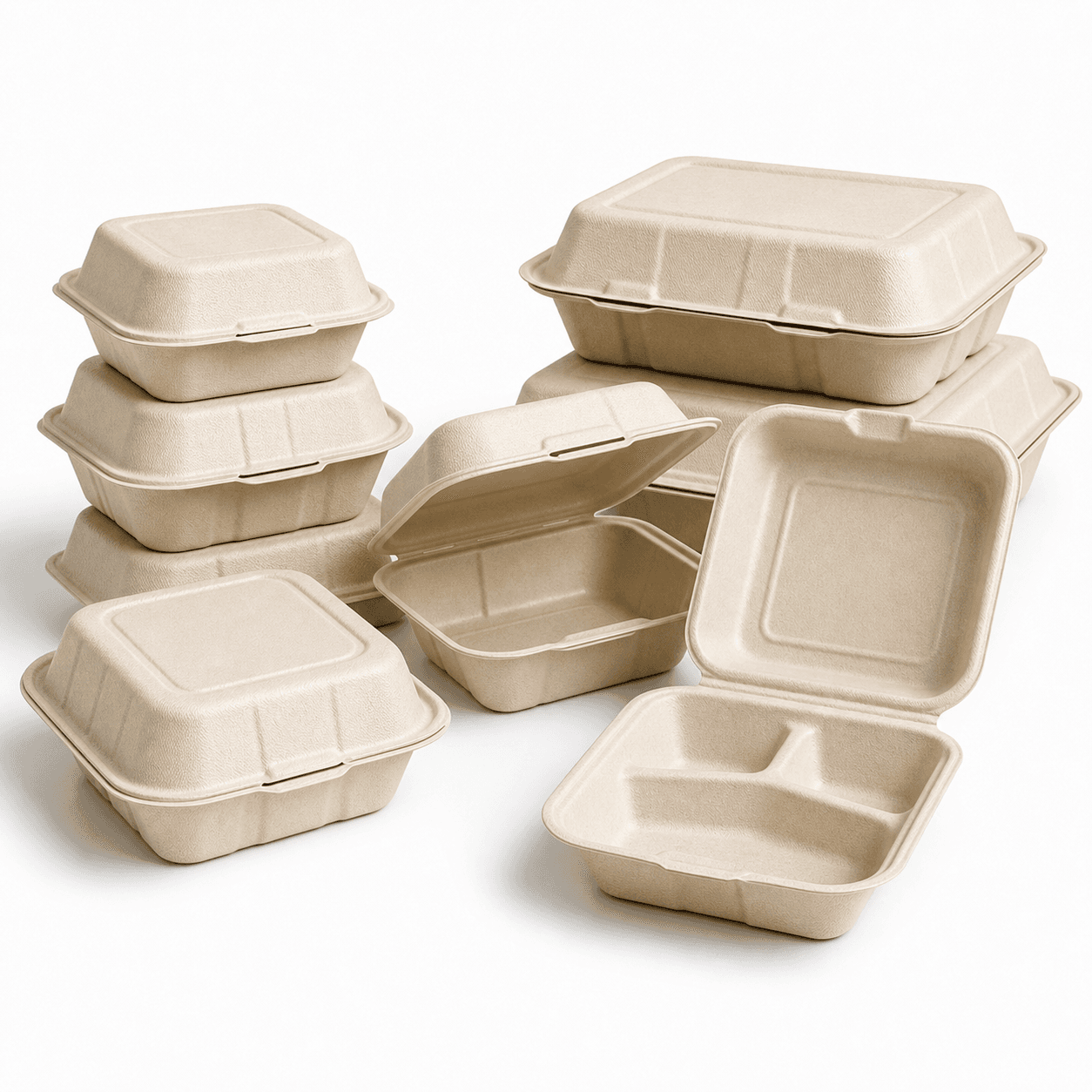
Burger packaging starts with structure
A burger package should protect the bun, toppings, sauce, and heat without crushing the sandwich. The package needs enough headroom, a stable base, and a lid that closes reliably even when the burger has toppings or a taller bun.
Do not choose the box only by burger diameter. Test the tallest burger, the sauciest burger, and the combo order. A package that works for a plain cheeseburger may fail for a double burger with lettuce, tomato, sauce, and a side of fries in the same bag.
Fries need steam management
Fries are usually the hardest part of burger takeout because they leave the fryer crisp and then meet steam, salt, oil, and delivery time. Packaging should reduce trapped moisture while still keeping the portion organized.
Options may include vented cartons, fry sleeves, paper bags, lined containers, or separated compartments. The best choice depends on fry style, portion size, hold time, and whether fries travel with hot sandwiches or cold drinks.
Use sauce cups instead of wishful thinking
Sauces drive many burger and fries orders, but they also create leaks and missing-item complaints. Use lidded sauce cups for ketchup, aioli, ranch, dipping sauces, and modifiers that should not soak the meal during travel.
Place sauce cups in the final check area, not hidden near prep. The person closing the bag should see the ticket and the sauces at the same time. If sauces are often missed, add a label or highlighted ticket step.
Bag combo meals as complete systems
A burger combo is not one product; it is a package system: burger box, fry pack, sauce cup, drink cup, lid, straw, carrier, napkins, and bag. If one piece is weak, the customer judges the whole order.
Use a bag size that allows the burger and fries to sit flat. Drinks should usually travel in a carrier or separate drink handoff, especially for delivery. A loose cold drink inside a hot food bag creates condensation, tipping risk, and customer frustration.
Write a hold-time rule
Packaging cannot save fries that sit too long before pickup. Write a practical hold-time rule for the team: when fries are packed, when the bag is closed, and when a late driver or delayed pickup should trigger a remake decision.
The rule should match your brand promise. A fast casual burger shop that competes on crisp fries may need a shorter pack-to-handoff window than a shop selling items that hold better during delivery.
Test with delivery reality
Pack the burger and fries exactly as the customer will receive them. Let the order sit for the expected pickup or delivery time, then open it. Check bun condition, fry texture, grease marks, sauce cup security, bag strength, label clarity, and whether the meal still looks intentional.
Run the same test with a combo drink. If condensation weakens the bag or the drink carrier shifts, the packaging set needs adjustment before delivery volume grows.
How GreenPack Life supports burger takeout
GreenPack Life can help quote burger and fries packaging as a set: takeout containers, vented or paper-based options, fry packaging, sauce cups, napkins, handle bags, labels, seals, and drink carriers.
For a useful quote, share burger size, fry portion size, sauce count, delivery percentage, average combo order, and whether your brand prioritizes compostable, recyclable, clear, or branded packaging.