
Why rim families exist
Cup capacity does not define lid fit by itself. A 16 oz cup may use different rim diameters depending on design, height, and wall shape.
The rim family is the part of the cup that must match the lid. This is why a buyer can see several cups with the same capacity but different lid requirements. The difference is not cosmetic; it affects whether the lid seals, holds, and supports the drink handoff.
How to avoid fit mistakes
When quoting, group cups by rim family and request matching flat, dome, or sip-through lids in the same inquiry. This keeps purchasing and reorder logic cleaner.
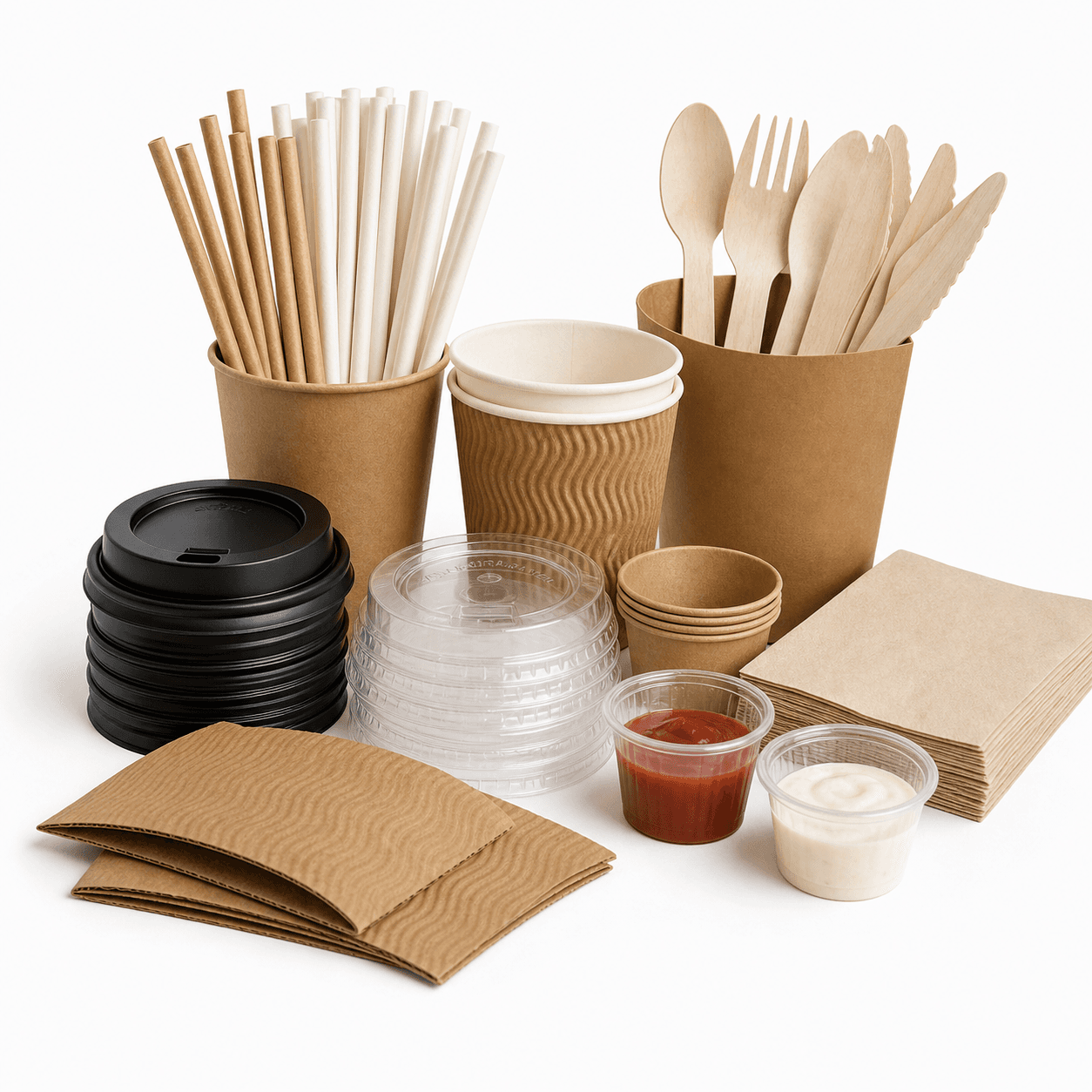
A fit mistake usually happens when a buyer chooses a cup by capacity and buys lids from a different family. The safer workflow is to treat each cup, lid, straw, and carrier as one drink-service system.
When to choose 98mm
Many shops prefer 98mm for broad cold drink programs because it supports familiar lid options and a strong cup presentation. The final choice should match menu, storage, and lid availability.
A 98mm family can be useful when the menu includes iced coffee, milk tea, fruit tea, or smoothies that benefit from a wider top opening. It may also provide more presentation space for toppings or foam depending on the lid type.
When 95mm may be right
A 95mm family can still be the right choice when it matches the existing cup line, storage setup, lid inventory, or supplier system. There is no universal winner between 95mm and 98mm.
The best decision is the one that keeps the whole product set consistent. If your team already uses 95mm lids, moving to a 98mm cup without changing the lid plan creates confusion and possible waste.
Quote lids with the cups
Ask for cups and matching lids in the same quote. Include whether you need flat straw-slot lids, dome lids, sip-through lids, or sealed-film alternatives.
This is also the moment to add carriers and straws. A complete quote reduces the chance of receiving cups that look correct but do not work with the accessories your staff uses every day.
If you are changing rim families, test the new cup with your staff workflow before switching every drink size. Check stacking, dispenser fit, sealing pressure, lid snapping force, straw entry, and delivery packing. The best rim family is the one that keeps service consistent during rush hours.
For multi-location buyers, document the approved rim family by menu item. That prevents one store from reordering a lookalike cup with a different lid family and creating inventory that cannot be shared across locations.